
Prompt
…on dying

Is there a place within that tells me who I am? Will she teach me how to live, how to die, or is there only the void?
I have ruminated on my death much of my adult life. Manic depression brushed me with it, but amyloid brought me to its face. I imagine the tranquility of letting go. I talked about it, published about it, opened myself to the probability that it would come peacefully, intentionally by my own hand. I cannot withstand, however, images of the slow process of amyloid’s natural death. What we call natural is not sane: months back and forth to emergency rooms, days spent on the cardiac ward with unattended roommates loudly suffering dementia, oxygen tanks replace fresh air, feeding tubes rip taste from tongue, voice of spoken and written words silenced. It is savage, the waiting, the wasting.
But then the last hours.
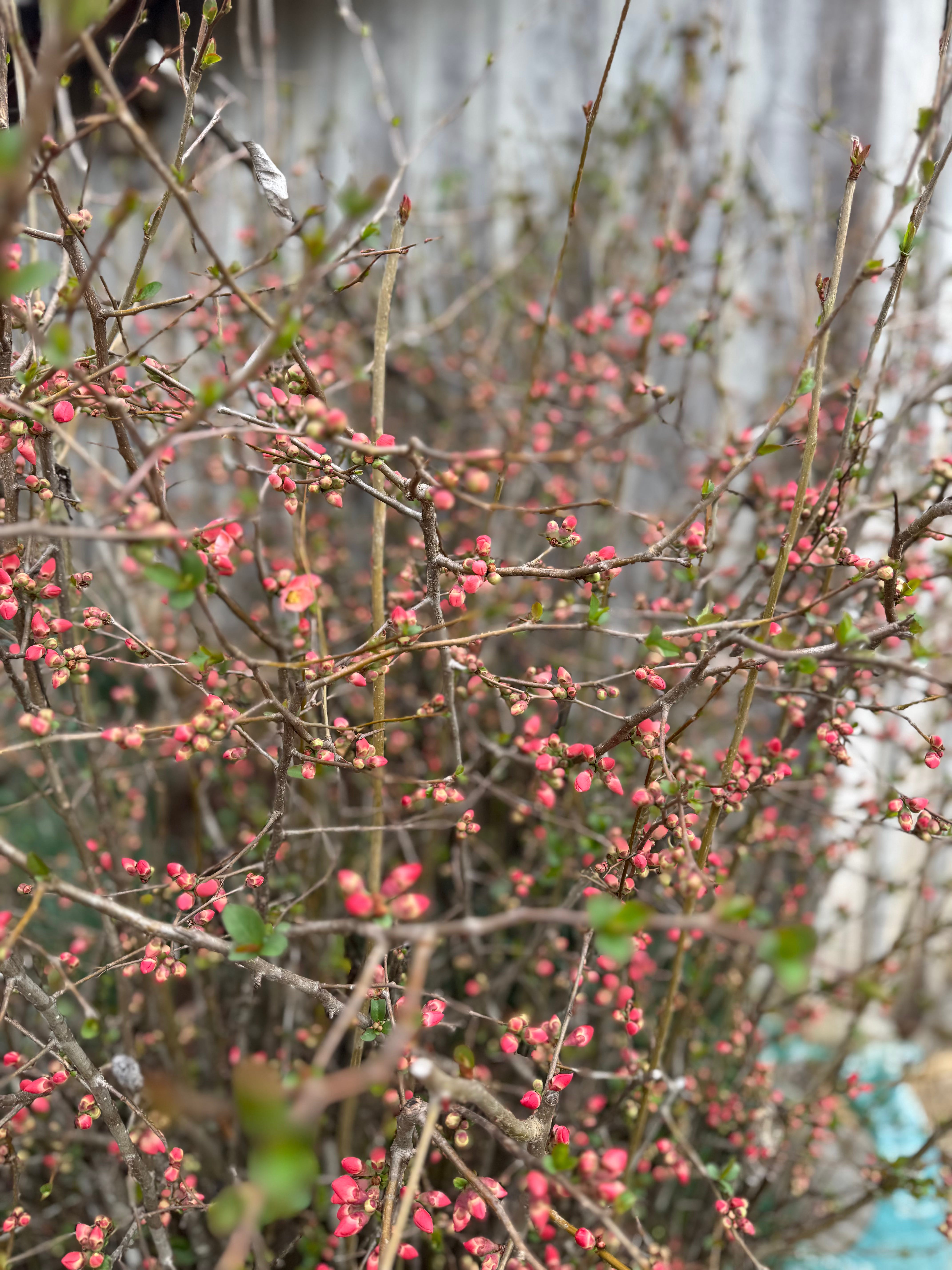
When I was a child my mother said to me, “If someone asks that you be with them as they die, be with them. There is no greater gift.” Three men trusted me to be with them as they breathed their last breath. Their deaths were as distinct as the way they lived their lives, the lovers they loved, children they fathered or did not, family and friends abandoned, the way they rested their heads on their pillow, the shapes of their opened mouths, their last audible word, the way the breeze mingled with the wind chimes or how Psalms soothed. The promise I made to raise his two-week old grandson. I kept my promise. There was peace in those rooms. There was mercy. I stayed with their bodies after their spirits rose, breath gone, eyes shut, limbs cold. I returned home alone, lay across my bed in silent peace, honored by their sacred gift.
My path is narrow enough only for me, no space to turn around, too hazy to see one step in front of the next. On this pilgrimage, what am I to learn? What did I offer life? What was my purpose? Was there a point? The questions are haunting, quieted only at midnight when I talk to my father. He tells me to prepare a pot of tea. Drink it all, even as it grows cold. Put away my questions. He guarantees a tomorrow.
I battled the ravages of mental illness alone, institutionalizing myself five times, insane, wanting to stop living, not wanting to die. Transthyretin (trans-thy-re-tin) amyloid cardiomyopathy is different. Amyloid death is definite. It offers no choice. I do not wish to be alone.
Who, at my end, will paint my long, slender nailbeds blood red? Who will shave my head? Who will brush ice chips along my thirsty lips? Who will ensure my playlist of Anne Akiko Meyers, Anja Lechner, Anastasia Kobekina, Dominique Fils-Aimé, Madeliene Peyroux, John Coltrane, and Melody Gardot never ends? Who will read over and over again one day in the life of Mrs. Dalloway? Who will spend afternoons reading Lucille Clifton’s verse and Sonia Sanchez’ haikus aloud even when I appear to be asleep? Who will remind me?
there are things sadder
than you and I. some people
do not even touch.1
I am a woman intimate with death. I have seen it among young black men in the streets of DC, lives ended by gunshot, me arriving before the police, before the local beat reporters, standing alone with their bodies, holding vigil for the dead. I have met death in hospice centers and private bedroom. I have visualized my mother’s death, car flipping twice across highway 85, tossing her through the windshield like yesterday’s balled up car trash. So much blood, said the nurse. I felt my father’s death. I lay down in bed in Washington, DC, calm at 3AM. “Goodnight Dad,” I said. At 3AM in Scotia, NY, Dad answered my goodnight and died. I sat with my grandfather on his porch, rocking in green rocking chairs, him telling me stories one week before he shot himself through the heart with his hunting rifle. I sat on the second pew at his funeral in the near 100 year old southern black Baptist church, closed my eyes and whispered, “I understand, Grandpa. I know. You are fine now.” I know death like every black woman my age knows death. I didn’t expect to meet my own like my father, like my grandfather, never turning 70.
On Christmas morning 2025, I emailed Dr. G. I found a description of his humanist psychotherapy practice online in Psychology Today. I typed, “I am looking for someone who will tell me who I am. I need to know so that I can write again.” He responded at 11:29PM Christmas night. “I will see you in the morning.” I slept sound.
He said things. “There are no labels for you to wear. You are all of your emotions, all of your experiences.”
Later he said, “You are intellectual and articulate, your descriptions are vivid and your summaries are wise. You have a higher level of consciousness than anyone I’ve met in 43 years of practice and yet, you are not here. The distance between you, the narrator and you the story, is vast and empty.”
He said, “Tell me what you see.”
I said “I am blinded by the fog. I cannot see the path, the trees, my feet, my hands. I am invisible.”
“It will take long,” he said. Twice a week we began.
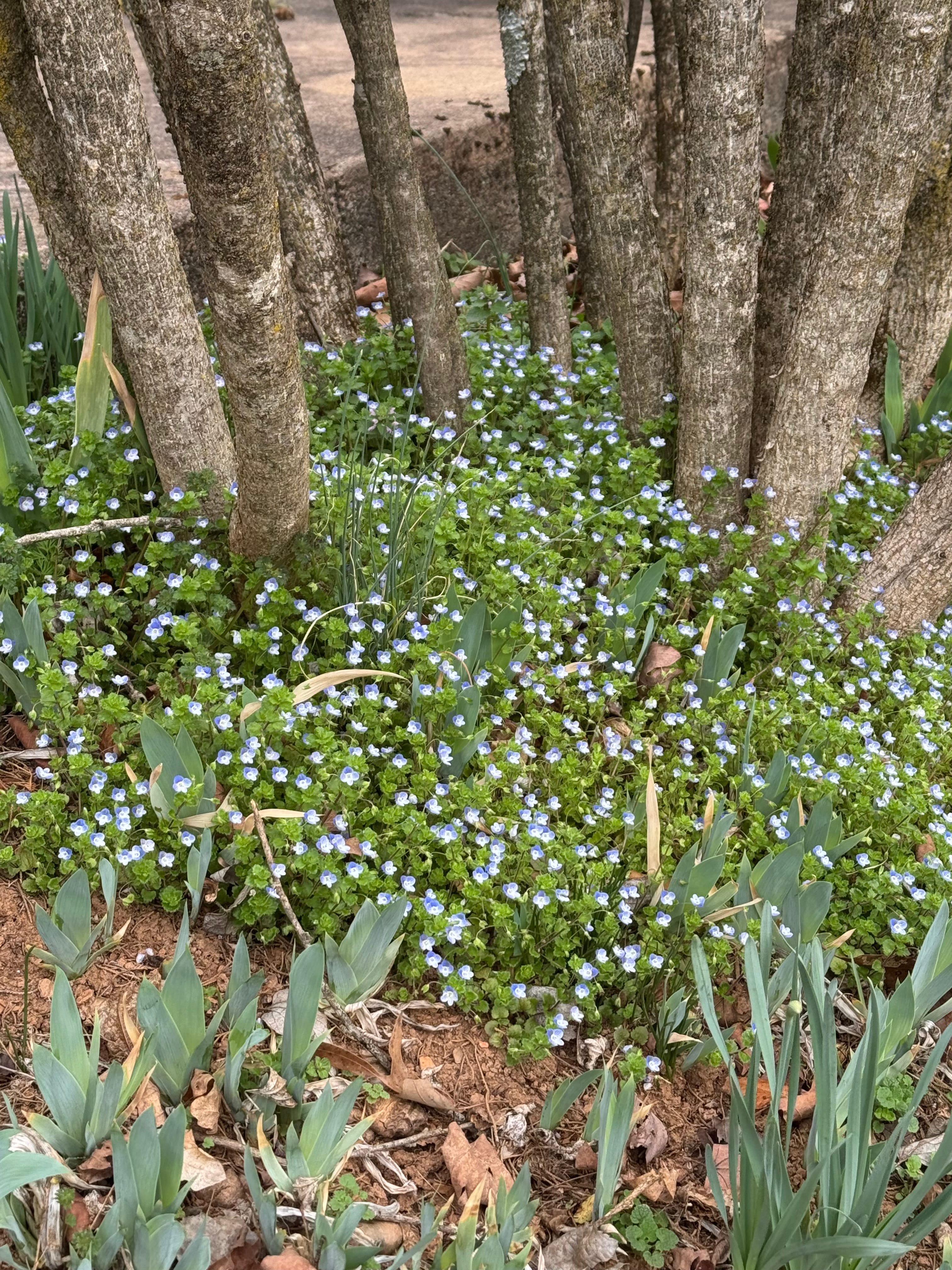
Haiku, Sonia Sanchez: Collected Poems, Beacon Press, 2021
Gorgeous writing, Anita! What a way to make meaning out of your time here.
I think your writing is so beautiful. The thought of death doesn't scare me as much as it once did; my child is 14 this year and so no longer quite as dependent on me. I'm now 50 years old and am grateful to have lived this long (although I hope for another decade or two). A cancer diagnosis last year - thankfully treatable and now behind me - put things into perspective and, interestingly, diminished that fear of 'The Big C'.
I watched my mother slowly succumb to the disease. Her final two months were spent in a hospice, a place both wonderful and terrible. She deserved longer. But she left a lasting legacy of kindness, and humour, and love.
I'm sorry you've had so much grief to contend with. You appear to have carried it all with grace, and you share your stories in a way which resonates deeply.